The following is cross-posted from the Yoder Lab website.
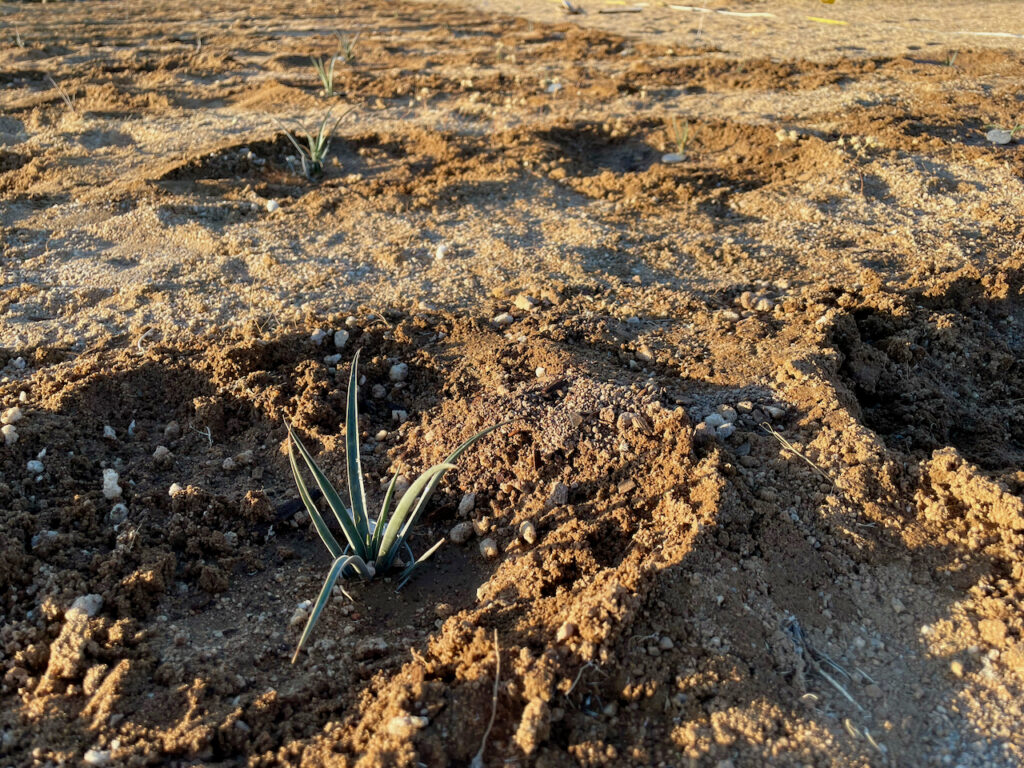
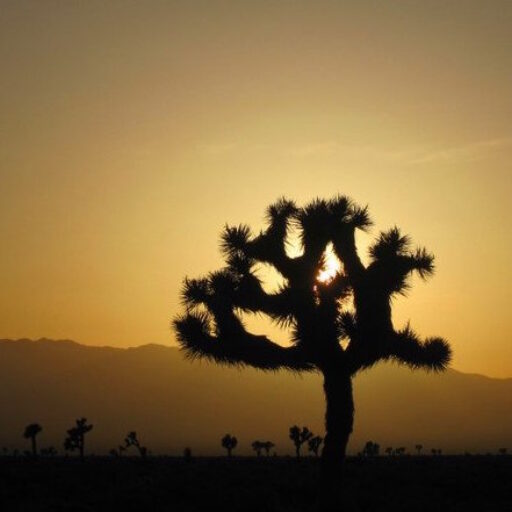
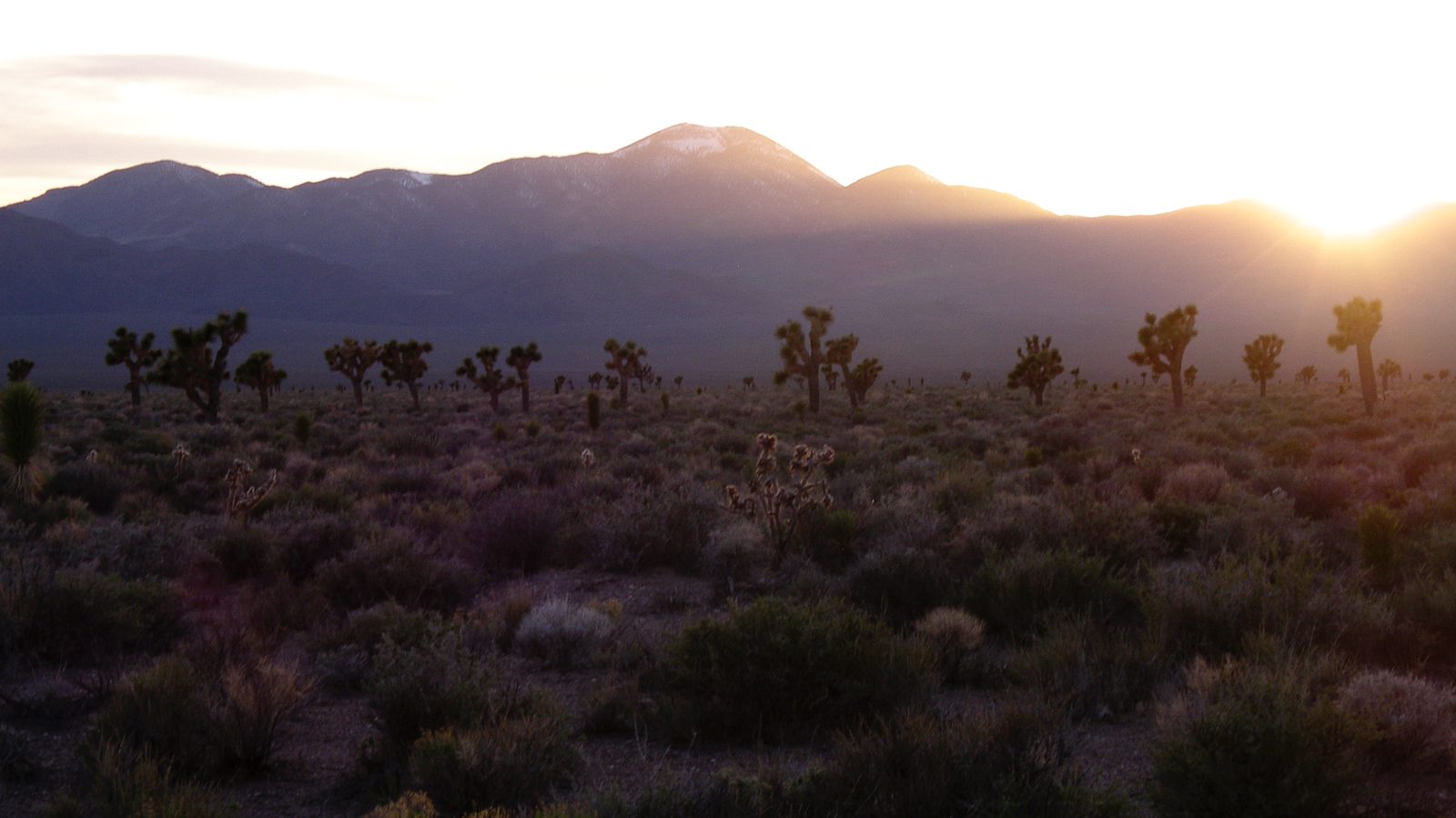
Joshua trees can beat the heat of the desert with the help of a special form of photosynthesis, according to data presented in the latest peer-reviewed paper from the Joshua Tree Genome Project collaboration. The study is the first “fruit” of a multi-year experiment in growing Joshua tree seedlings in experimental gardens distributed across the Mojave Desert, led by plant physiologist Karolina Heyduk at the University of Connecticut and USGS ecologist Lesley DeFalco.
Photosynthesis is an everyday miracle: Green plants use the energy in sunlight to convert carbon dioxide into sugars they can use to power their metabolism and build new tissue, assembling themselves from not much more than light and air. But it comes with a conundrum for plants that grow in hot, dry conditions. Plants must open stomata — tiny pores on their leaves — to take in carbon dioxide from the atmosphere. But the same open stomata that let carbon dioxide in can allow water vapor to escape.
Read More